Flowing hands can have several meanings, from simple circular movements to what we call Hand Expression.
There are several types of exercises to develop this circular motion. One we use for Eagle Claw Kung Fu and another, but a similar type for Tai Chi. Both exercises are designed to keep the arms moving in circles and coordinated. Coordinating the arms is the hardest part of the practice to master.
Hand expression is the cooperation between the body, shoulder, elbows, and wrists. A Tai Chi saying, “Tai Chi is rooted in the feet, directed by the waist, and expressed in the hands. In other words, the power is transferred from the feet to the hands. Without this transfer, you have no power.
Ideally, the circling of the arms and the hand expression work together. The term I use for the cooperation between the circling arms and hand expression is Flowing Hands.
Suppose you have never seen the action of Flowing Hands. In that case, I have some videos on Facebook and our school blog, KungFuNewsOnline.com, of Grandmaster Shum doing this exercise. So check it out when you get a chance.
The arms circling serve several purposes:
- Keeping the body protected at all times from various attacks.
- It enables you to trap, grab, or hold an adversary in a lock or use various pressure points.
- It allows you to attack from multiple directions without giving your adversary a hint of your attention.
- And keeps the adversary distracted and off-balance.
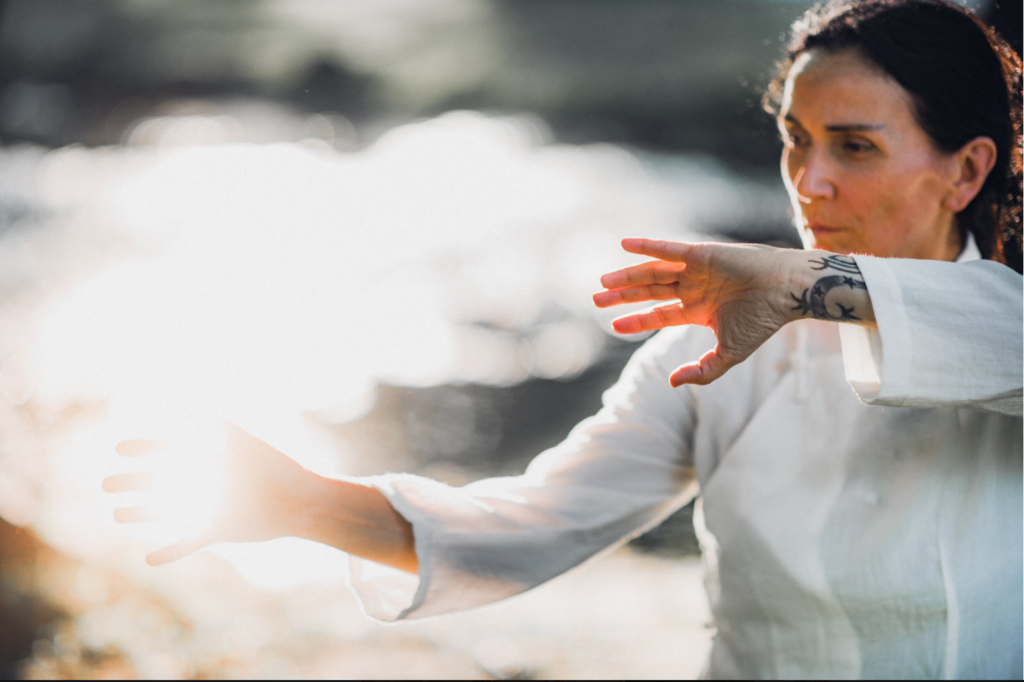
Moving your arms is nothing new. You see boxers always moving their arms… even slightly. That allows them to block and strike quicker than if their arms were entirely still. The same is true for Kung Fu or Tai Chi fighting (YES! Tai Chi is a fighting art). However, moving your arms from a still position will take longer to execute a block or a strike. Why? Because you must begin the motion with your body. Then transfer that motion to your shoulders, and then finally to your arms and hands. Think of a baseball player throwing a pitch. If the body, shoulders, and arms are all working and moving together, there is no delay to rev things up before your block or strike is executed.
The second part of Flowing Hands is hand expression. Again, a common principle is stated in Tai Chi (see above). However, what does that basic principle mean, ‘Rooted in the Feet’ and ‘Expressed with the Hands?’
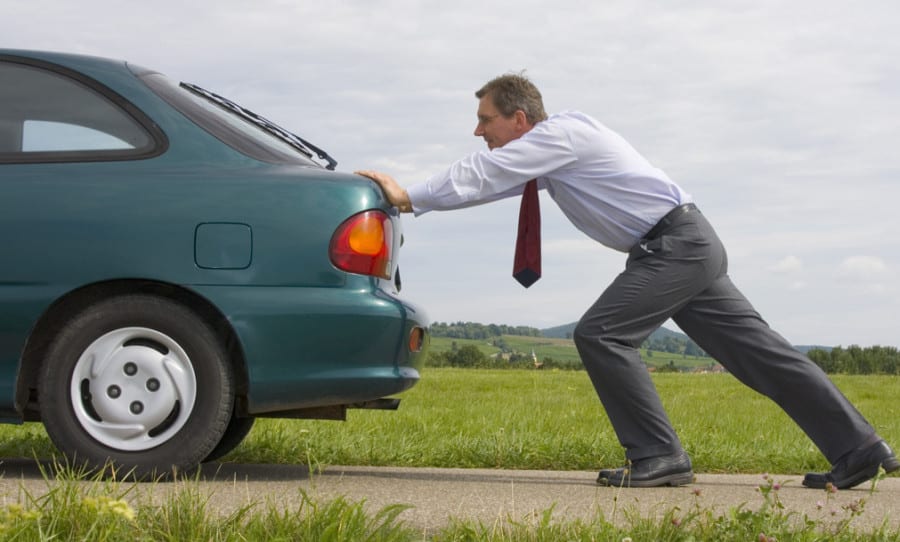
First and foremost, to have any power or strength, a solid foundation is required. A solid foundation is nothing more than how your feet are placed, and the weight is distributed to give your upper body the strength to accomplish something. The best example of this is trying to push a stalled car. You place one foot forward and bend that knee. You have the rear leg straight to brace yourself. You then push the car forward to get it moving. That is a simple explanation. Keep an eye out for a more detailed article on postures.
As you can see from the car example above, everything would only be used to move the car, with a foundation to give you the strength in your hands to push it. So, power in the hands requires a solid foundation (rooted in the feet). Usually, the part of the hand placed on the car is the palm. You certainly would not be able to push the car with your fingertips, no matter how strong your foundation was. So, the wrists and fingers are pulled back, and the palms of the hands are used (hand expression).
Now that you understand the concept and the meanings, it’s time to put the entire flowing hands exercise together. As you move your arms in a circular pattern, you also move your feet from posture (foundation) to posture. At specific points during the Flowing Hands exercise, you stop to generate power to your hands. That is just like using your palms to push the car.
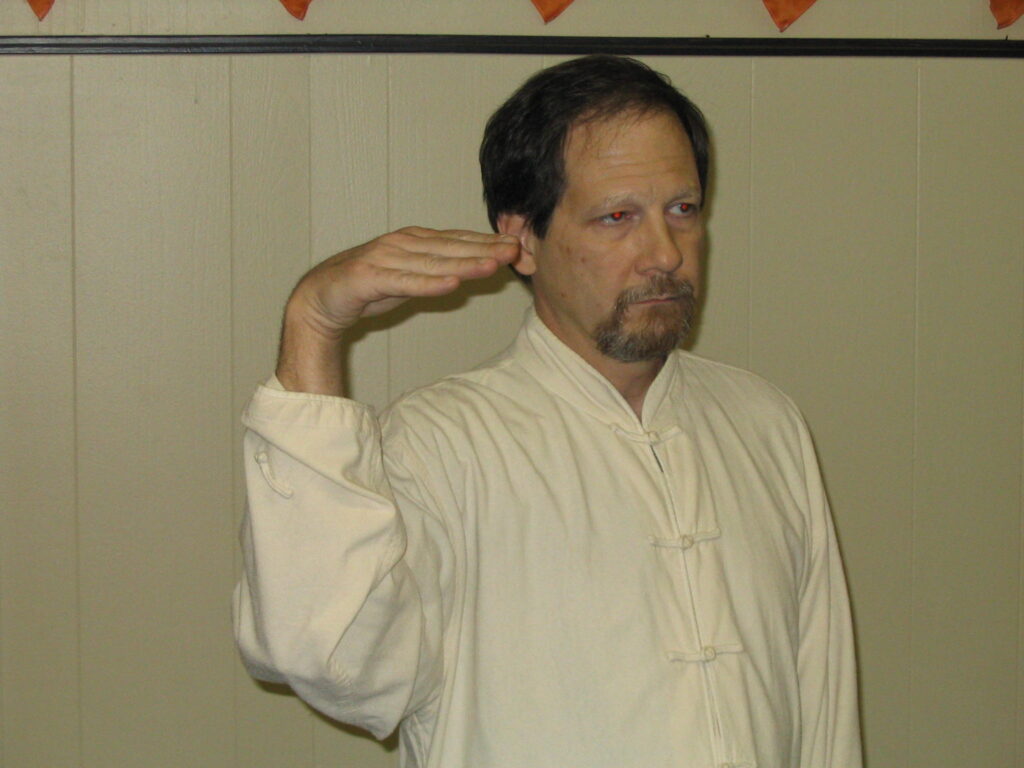
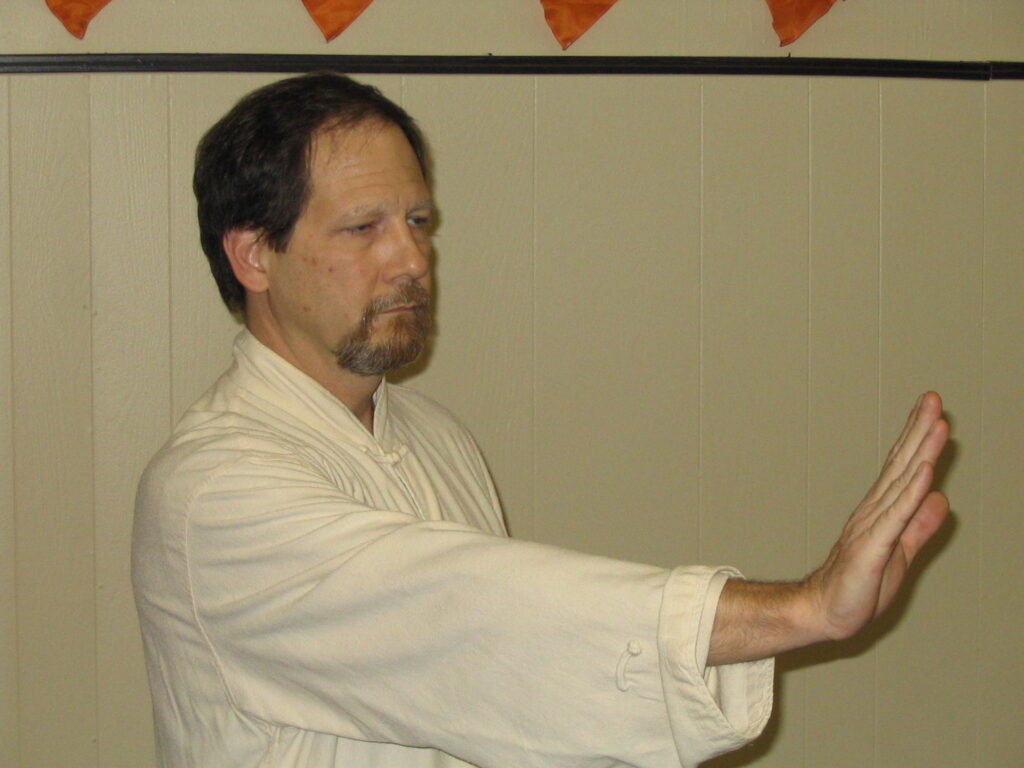
However, we use more than just the palms flexed back in Kung Fu and Tai Chi. If we already had our hands flexed back, this would be called a ‘dead’ strike… meaning no power. So the idea of penetrating power in Kung Fu and Tai Chi is to flex the hands and fingers back at the very moment you do your posture as you strike or block your adversary.
Kung Fu and Tai Chi have several types of hand expressions: palm, willow-leaf, drilling, backhand, fingers, ridge, and slap… to name a few. Each one expresses power in different parts of the hand and is used for different applications in defense and attack.
Flowing Hands takes years of practice to master and use effectively. In addition, several other parts make Flowing Hands a unique concept, requiring a more in-depth understanding of postures and the circling action of the hands. I’ll write about both in future articles.